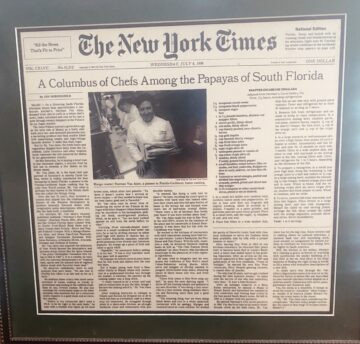
A Conversation on Curiosity, New World Cuisine, Mentorship, and a Life Spent Chasing Flavors.
There are chefs who run successful restaurants. There are chefs who write cookbooks. There are chefs who earn awards and accolades that place them among the best in their profession. Then there are chefs who fundamentally change the way an entire generation thinks about food. Chef Norman Van Aken belongs firmly in that final category.
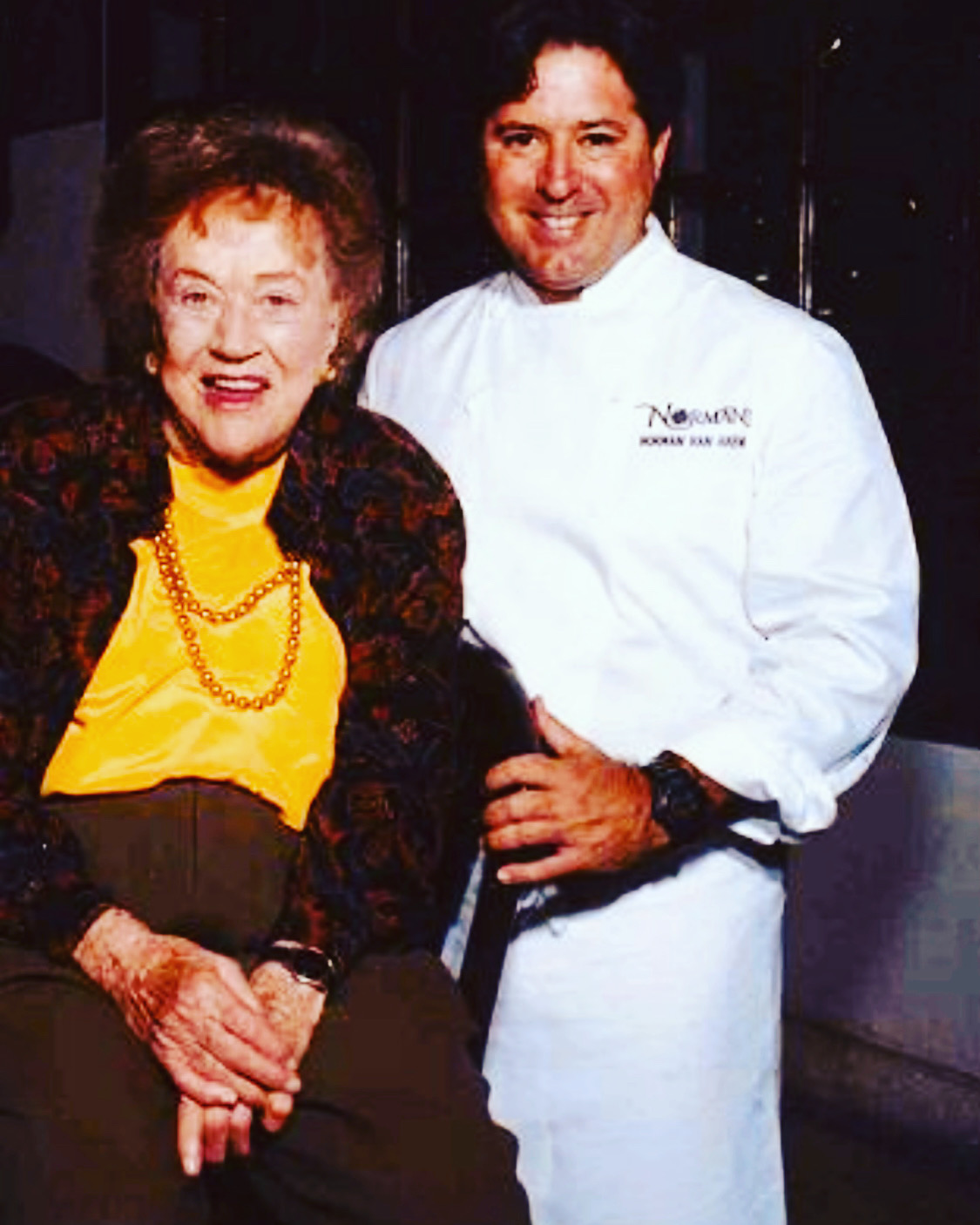
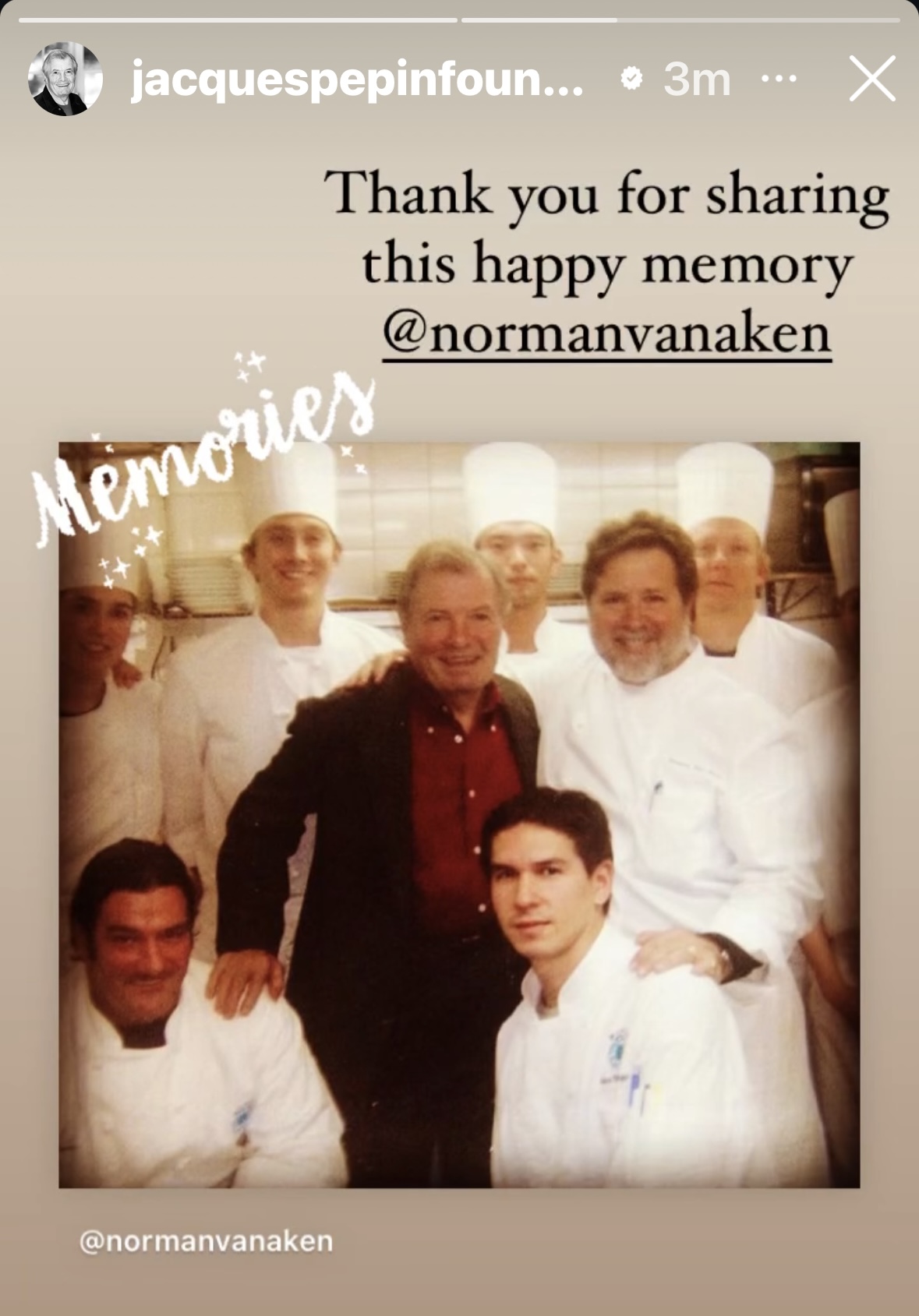
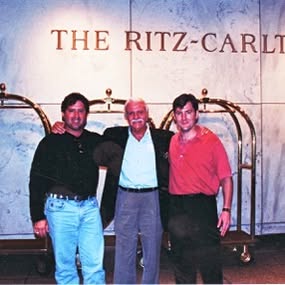
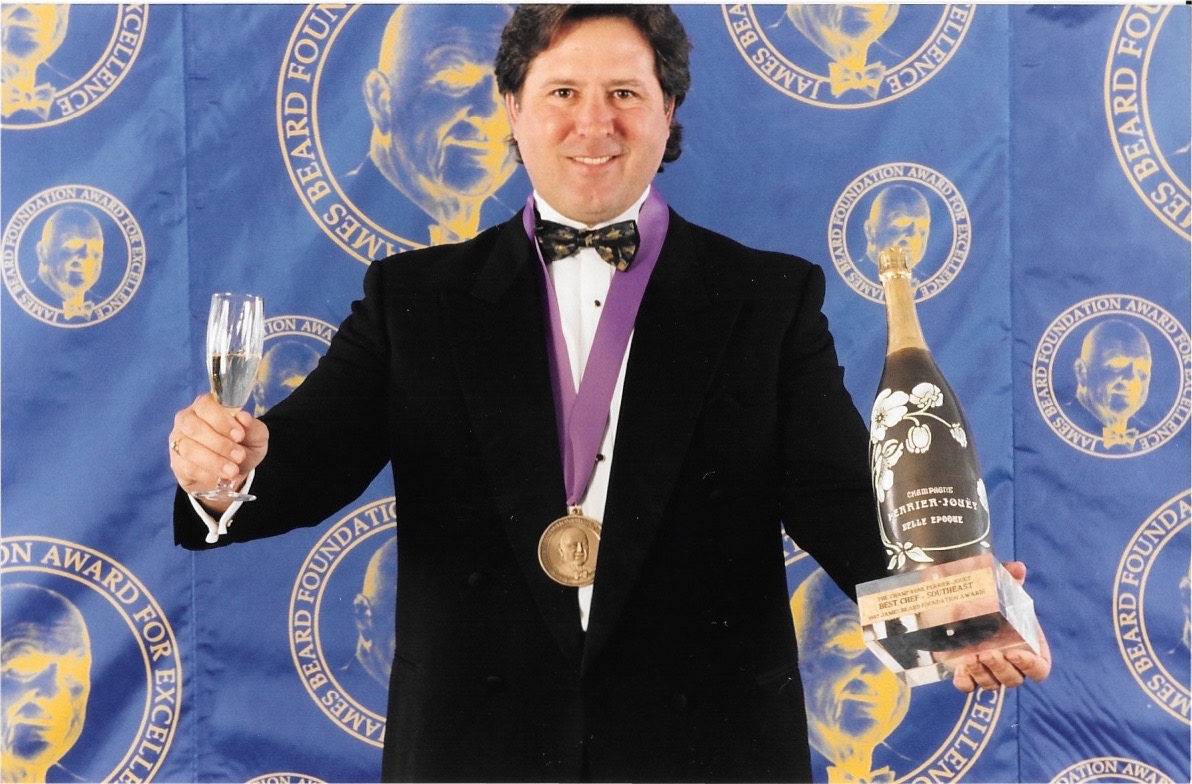
Widely recognized as the creator of New World Cuisine, a James Beard Award winner, cookbook author, educator, mentor, and culinary pioneer, Norman has spent decades helping shape the identity of modern American cuisine. Before “fusion” became a culinary term, (which Norman coined at a culinary conference in Santa Fe in 1991) he was exploring the culinary crossroads where French technique, Caribbean flavors, Latin American traditions, and American creativity could coexist on the same plate. His influence can be seen throughout Florida, across the United States, and within the careers of countless chefs who followed in his footsteps.
Yet after spending nearly two hours speaking with him on The IncrEDIBLE Discourse, one thing became abundantly clear: his story isn’t really about food. At its core, Norman’s story is about curiosity. It’s about remaining open to learning. It’s about listening to people. It’s about finding inspiration in unexpected places and having the courage to follow those inspirations wherever they lead. It is the story of a man who never stopped asking questions, even after the culinary world began looking to him for answers.
Long before he became one of the most influential chefs in America, Norman Van Aken was a kid growing up in Illinois with his head buried in books. Raised in a small town near the Illinois and Wisconsin border, (on the Illinois side) his childhood was surrounded by lakes, trees, four full seasons, and the kind of small-town environment that encouraged imagination. While many future chefs tell stories about cooking with grandparents or dreaming of restaurant life from a young age, Norman’s earliest ambitions pointed in a different direction. He loved stories. He loved reading. He loved writers. He described climbing up into a favorite tree with a book and spending hours reading while the world carried on below him. In many ways, his first love was storytelling.
Food, however, was quietly present throughout his life. His mother worked in restaurants and possessed the practical skills of a generation that preserved food, canned vegetables, made jams, and prepared meals from scratch. Looking back, Norman realizes those experiences mattered more than he understood at the time. One particularly memorable story came from a former babysitter who contacted him years later. She reminded him of an incident from childhood when she had prepared a hot dog for his dinner. According to her recollection, five-year-old Norman looked at the plate and declared, “A hot dog is not a proper dinner,” before storming out of the house. Whether the memory is completely accurate or not, it reveals something important. Even as a child, food mattered to him on a level that few children recognize.
Another force shaping his future arrived through family vacations to Florida. Every winter during his first eight years of living, his family traveled from Illinois to Miami Beach. For a young Midwestern boy, the palm trees, ocean air, Art Deco buildings, and tropical landscape felt magical. Those early experiences left a permanent imprint on him. At the time, he had no way of knowing that Florida would eventually become home or that its ingredients, cultures, and traditions would define much of his culinary identity. Yet something about the state resonated with him from the beginning. Sometimes a place finds you long before you understand why.
Like many young people coming of age during the Vietnam era, Norman’s path toward adulthood was anything but straightforward. He attended college briefly, spent time in Hawaii, played music, worked a variety of jobs, and searched for direction. The Vietnam War, the draft system, and the social climate of the era created uncertainty for many young Americans. Norman found himself drifting through experiences that included factory work, landscaping, carnival work, roofing, and a variety of other jobs that paid the bills but offered little fulfillment. He wasn’t lost so much as searching. He was exploring life and trying to understand where he fit into it.
One of the defining moments of his life occurred on a rooftop. Working as a hot tar roofer on a high school building, Norman found himself caught in a powerful rainstorm. While everyone else scrambled for cover, he shot down the ladder to the ground. The rain washed away the heat, grime, and misery of the day. Instead of running, he rolled around in the grass of the football field, enjoying a moment of freedom. His boss did not appreciate the gesture. The confrontation that followed cost him his job, but it also set in motion a chain of events that changed the trajectory of his life.
Realizing that rent would soon be due, Norman began searching through the classified ads for employment. One ad stood out among the countless listings for trades and labor jobs. It simply read: “Short Order Cook Needed. No Experience Necessary.” He circled the ad and applied. The owner looked at his paperwork, saw no restaurant experience whatsoever, and hired him anyway. The next morning, Norman reported to work at a diner.
That diner changed everything.
Not because it instantly transformed him into a chef. Not because he suddenly discovered a lifelong calling. Rather, it was the first job where the hours seemed to fly by. For the first time, work felt engaging. The energy of the kitchen, the language of short-order cooking, the movement of service, the aromas, the people, and the connection between cooks and guests all captured his attention. Through the pass window, he could see diners laughing, talking, enjoying meals, and connecting with one another. Something clicked. Work no longer felt like something to endure. It felt like something to participate in.
Even then, he wasn’t dreaming about culinary school or fine dining. His immediate goal was much simpler: earn enough money to return to Key West. That decision would become one of the most important of his life. Key West in the 1970s was very different from the destination many know today. This was before the explosion of tourism, before celebrity chefs, before large cruise ships docked at the island’s deep harbor. It was creative, eccentric, independent, and deeply connected to the cultures of the Caribbean. Norman arrived during a period when the island still felt raw, bohemian and authentic. He took whatever cooking jobs he could find, worked nights, learned on the fly, and slowly immersed himself in the ingredients and traditions that surrounded him. The importance of Key West cannot be overstated. It wasn’t simply where Norman worked. It was where he began understanding food as culture. The island sat at the crossroads of multiple culinary traditions. Caribbean influences mingled with Southern influences, Latin American flavors mixed with classic techniques, and local ingredients shaped local identities. The lessons he learned there would eventually form the foundation of what he christened, “New World Cuisine”.
One of the most powerful themes that emerged throughout our conversation was Norman’s belief that education can come from any source. He illustrated this through a story about jicama. When the ingredient first arrived in one of his kitchens, he had only read about it. He wasn’t even sure how to pronounce its name. Then one of the dishwashers, a man named Jaime from Mexico, saw it and became excited. Jaime showed Norman how he ate jicama at home—with lime and seasoning. In that moment, the teacher wasn’t a chef. The teacher wasn’t a cookbook author. The teacher wasn’t a culinary instructor. The teacher was the dishwasher. That lesson remained with him throughout his career. Too many people assume knowledge only flows downward from experts. Norman learned that knowledge flows in every direction if you’re willing to listen. This openness to learning from others would become one of his defining characteristics and one of the primary reasons he was able to create something truly original.
When discussing New World Cuisine, Norman offered perhaps the most insightful explanation I’ve ever heard. Many people assume the movement was simply about combining ingredients from different cultures. In reality, it was far deeper than that. New World Cuisine was an attempt to define a culinary identity that already existed but lacked a name. Florida occupied a unique position geographically and culturally. The Caribbean, Latin America, the American South, Europe, and countless immigrant communities all influenced the region. Norman recognized that something distinct was emerging from this intersection of cultures.
His goal was not to invent a cuisine out of thin air. His goal was to identify, define, and articulate what he was seeing around him. He wanted to create a language for a style of cooking that reflected place, history, migration, and culture. This distinction is important because it separates New World Cuisine from shallow interpretations of trendy cooking. It wasn’t about randomly combining ingredients for the sake of novelty. It was about understanding the stories behind those ingredients and the people who carried them across borders.
One topic that generated particularly thoughtful discussion was the idea of “elevating” traditional cuisines. Norman rejects that language. He believes it unintentionally suggests that traditional foods require validation from outside influences. In his view, Caribbean cuisine, Latin cuisine, and regional cuisines already possess tremendous value. The role of the chef is not to elevate them but to interpret them through their own experiences and perspectives. That subtle distinction reveals a tremendous amount about how he views food, culture, and respect.
As the conversation moved forward, we explored Norman’s place within one of the most exciting periods in American culinary history. He described the era as a kind of culinary renaissance. During the latter part of the twentieth century, American chefs began defining their own identities rather than simply replicating European traditions. Names like Charlie Trotter, Emeril Lagasse, Jeremiah Tower, Wolfgang Puck, Dean Fearing, Daniel Boulud, and many others were helping reshape the landscape of American dining.
One of the most memorable descriptions came from restaurateur Drew Nieporent, who referred to the period as the “Woodstock of American Cuisine.” The phrase perfectly captured the energy of the era. There was experimentation, collaboration, creativity, and optimism. Contrary to popular stereotypes, Norman remembers a tremendous amount of camaraderie among chefs. Rather than guarding secrets, many of them actively supported one another’s work.
Perhaps the best example involved Charlie Trotter and Emeril Lagasse. Charlie’s first kitchen job actually came through Norman. Years later, Charlie introduced Norman to Emeril. For a period of time, the three chefs developed a ritual of faxing their nightly menus to one another. Before service, they would read one another’s specials to their respective staffs. Imagine that for a moment. Three future culinary icons sharing ideas, celebrating each other’s creativity, and helping inspire one another’s teams. It represents a spirit of collaboration that helped define an era.
As fascinating as these historical stories were, some of the most valuable insights emerged when we discussed hospitality and leadership. Norman believes many chefs overestimate the importance of food while underestimating the importance of hospitality. Food matters, of course, but guests remember experiences. They remember kindness. They remember being welcomed. They remember how a restaurant made them feel. The finest sauce in the world cannot compensate for a poor guest experience. Hospitality, in many ways, becomes the framework through which great food is experienced.
His leadership philosophy follows a similar pattern. Rather than focusing exclusively on teaching recipes or techniques, Norman believes in teaching curiosity. Skills can be learned. Recipes can be memorized. Curiosity creates growth. Throughout his career, countless cooks passed through his kitchens and eventually became leaders themselves. What distinguished the most successful among them was not simply technical proficiency. It was their willingness to keep learning, asking questions, and pursuing new knowledge.
This philosophy remains visible in his restaurants today. Even after decades of success, Norman still views himself as a student. He still keeps notebooks. He still records ideas. He still explores ingredients, cuisines, books, and cultures. He still asks questions. The desire to learn has never diminished. That may ultimately be his greatest legacy.
Awards matter. Restaurants matter. Cookbooks matter. New World Cuisine unquestionably matters. Yet what struck me most during our conversation was the consistency of one theme across every chapter of his life. Curiosity drove everything. It drove the young boy reading books in a tree. It drove the young man wandering through jobs and searching for purpose. It drove the cook learning from dishwashers, immigrants, grandmothers, and fellow chefs. It drove the author researching entire regions of the world for his books. And it continues to drive the mentor and educator he remains today.
For aspiring cooks, professional chefs, restaurant leaders, and anyone pursuing mastery in any field, there is a lesson hidden within Norman Van Aken’s story. Success rarely comes from having all the answers. More often, it comes from never stopping the search for better questions. The willingness to remain curious long after achieving success is what separates good careers from extraordinary ones.
After speaking with Chef Norman Van Aken, I left with an even greater appreciation for his contributions to American cuisine. Not simply because of the dishes he created or the movement he helped define, but because of the mindset he represents. In an industry often obsessed with trends, fame, and accolades, Norman reminds us that the most important ingredient is still curiosity. It is the force that fuels growth, creativity, innovation, and lifelong learning. And if his story teaches us anything, it’s that curiosity may be the most powerful ingredient a chef can ever possess. — Mark Grigsby, host and creator of the podcast, “The IncrEDIBLE Discourse”.
This podcast interview was conducted by Mark Grigsby. 2026, Houston, TX.